Disclosure: This is an independent review site. Nevertheless the owners of this website may earn commissions by referring visitors to various investment opportunities in order to meet the running costs of this website. The content on this website does not constitute financial advice. You are encouraged to talk to your financial advisor before making any investment decision.
Silver IRA Explained: How Silver Fits Into Retirement Accounts
Silver has played a unique role in financial history — both as a monetary metal and as an industrial resource.
In recent periods, increased public interest in silver has drawn attention to how it functions within retirement accounts and how it differs from gold.
This guide explains what a Silver IRA is, how it works, and what retirement investors should understand before requesting information or making any decisions.
What Is a Silver IRA?
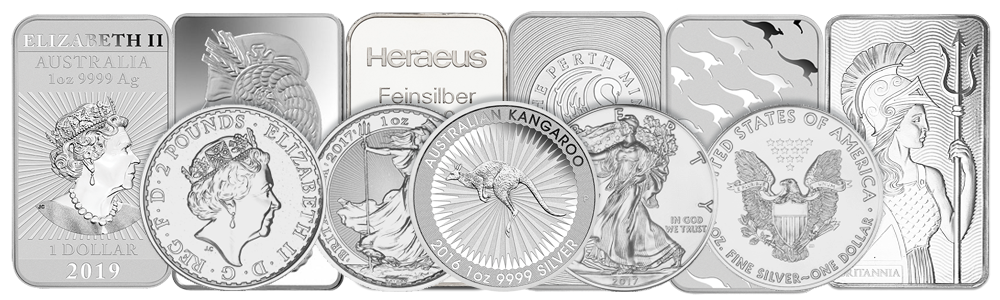
A Silver IRA is a type of self-directed Individual Retirement Account that allows IRS-approved physical silver to be held within a retirement account.
Like a Gold IRA, a Silver IRA:
Is administered by a self-directed IRA custodian
Holds physical precious metals rather than paper assets
Requires storage in an IRS-approved depository
The account follows standard IRA tax rules, depending on whether it is structured as a Traditional or Roth IRA.
>> If you’re still learning how precious metals IRAs work, it helps to start with a clear overview.
How a Silver IRA Works
The process for establishing a Silver IRA closely mirrors that of other precious metals IRAs.
Open a Self-Directed IRA
A custodian that supports precious metals is required.Fund the Account
This typically occurs through a rollover or transfer from an existing retirement account.Select IRS-Approved Silver
Only specific silver products meeting purity standards are permitted.Secure Storage
Silver must be stored in an approved depository — not at home.
This structure exists to maintain compliance with IRS regulations.
Why Some Investors Pay Attention to Silver at Certain Times
Silver tends to attract increased attention during specific economic or market conditions.
Historically, interest in silver has risen during periods involving:
Market uncertainty
Inflation concerns
Shifts in industrial demand
Unlike gold, silver has a dual role:
A monetary metal
An industrial material used in electronics, energy, and manufacturing
This dual nature can contribute to greater price volatility over time, which helps explain why interest in silver can increase noticeably during certain periods.
Silver Price Volatility: A Historical Perspective
This chart is provided for historical and educational context only and should not be interpreted as a prediction of future performance.
The purpose of this chart is to illustrate how silver has experienced periods of both sharp movement and extended consolidation over time.
Understanding this historical behavior can help investors set realistic expectations.
What Types of Silver Are Allowed in a Silver IRA?
The IRS permits only specific silver products, generally requiring:
A minimum purity of .999
Approved coins or bars from recognized mints
Collectible or numismatic silver is not permitted in a Silver IRA.
Silver IRA vs. Gold IRA: Key Differences
While both accounts fall under the broader category of precious metals IRAs, they serve slightly different roles.
| Feature | Gold IRA | Silver IRA |
|---|---|---|
| Primary Role | Store of value | Dual monetary & industrial role |
| Price Behavior | Historically steadier | Historically more volatile |
| Market Sensitivity | Monetary factors | Monetary + industrial demand |
| Typical Investor Focus | Stability & preservation | Diversification & balance |
Neither option is inherently better — they simply function differently within a diversified strategy.
>>Some investors also review a side-by-side comparison of Gold IRA companies before deciding which metal and provider best fit their strategy.
Fees and Minimum Investment Considerations
Silver IRAs involve similar cost categories as Gold IRAs, including:
Custodial fees
Storage fees
Administrative costs
Some providers may also require minimum investment amounts, particularly for retirement accounts. These minimums vary and should be reviewed during the information stage.
Is a Silver IRA Right for Everyone?
A Silver IRA may appeal to individuals who:
Want broader diversification within precious metals
Understand and accept price volatility
Prefer long-term holding strategies
It may be less suitable for those seeking short-term predictability or minimal account complexity.
Learn More Before Making Any Decisions
Many retirement investors choose to review educational materials from established providers to better understand:
How Silver IRAs work
How silver compares to other assets
What questions to ask before moving forward
(Educational materials only — no obligation required)