Gold IRA Storage Explained: Where Your Metals Are Kept and Why It Matters
 Published March 13, 2026 – By Jesse Morgan.
Disclosure: This is an independent review site. Nevertheless the owners of this website may earn commissions by referring visitors to various investment opportunities in order to meet the running costs of this website. The content on this website does not constitute financial advice. You are encouraged to talk to your financial advisor before making any investment decision.
Introduction
When people first learn about Gold IRAs, one of the most common questions that comes up is simple but important:
“Where is the gold actually stored?”
Unlike stocks or mutual funds, a Gold IRA involves physical precious metals. That physical aspect is exactly what attracts many retirement investors — but it also means storage rules matter.
This guide explains how Gold IRA storage works, where metals are kept, and what investors should understand before making any decisions.
Why Gold IRA Storage Is Regulated
The IRS treats Gold IRAs differently from traditional retirement accounts because they hold physical assets.
To keep the account compliant:
Metals cannot be stored at home
Metals must be held by an IRS-approved depository
Storage must be arranged through a qualified custodian
These rules exist to ensure transparency, security, and proper reporting — not to complicate the process for investors.
Where Are Gold IRA Metals Stored?
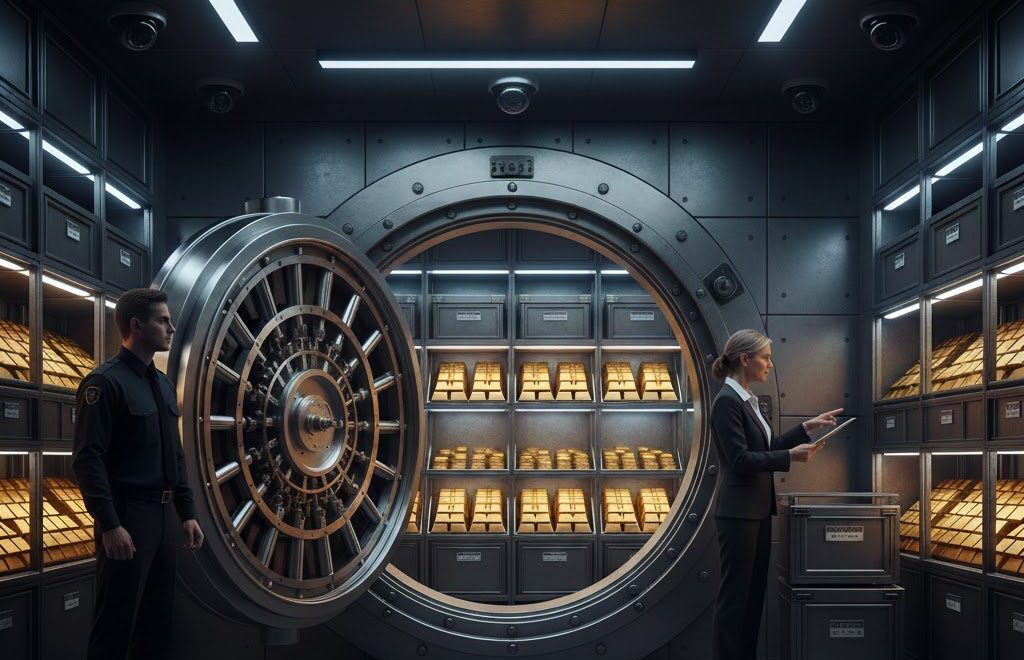
Gold held inside an IRA is stored in specialized, high-security facilities called precious metals depositories.
These facilities typically offer:
24/7 monitoring and surveillance
Insurance coverage
Independent audits
Secure vaulting designed for long-term storage
Commonly used depositories in the U.S. include locations in states like Delaware, Texas, and Utah.
Investors do not physically access the metals while they remain inside the IRA.
Segregated vs. Non-Segregated Storage
When setting up a Gold IRA, investors may be offered two storage options:
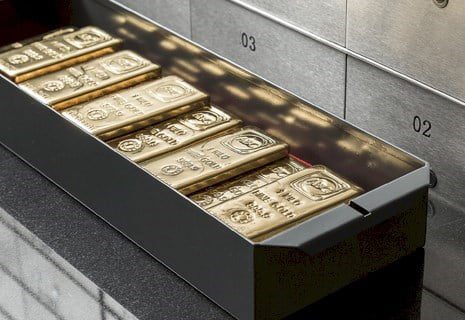
Segregated Storage
Your metals are stored separately from others
Bars and coins are specifically labeled to your account
Usually costs slightly more
Non-Segregated (Commingled) Storage
Metals are pooled with others of the same type
You still own a specific quantity and purity
Often more cost-effective
Both options are IRS-compliant. The right choice depends on personal preference, budget, and comfort level.
Who Chooses the Storage Facility?
In most cases:
The custodian works with approved depositories
The investor may be given a choice of locations
Reputable Gold IRA providers explain storage options clearly before anything is finalized.
If a company avoids explaining storage details or pushes vague answers, that’s usually a red flag.
Can You Store Gold IRA Metals at Home?
Short answer: No.
Despite what some online sources suggest, storing IRA metals at home typically violates IRS rules and can trigger:
Taxes on the full account value
Early withdrawal penalties
Loss of IRA tax advantages
Any strategy involving “home storage IRAs” should be approached with extreme caution and professional guidance.
Storage Fees: What to Expect
Gold IRA storage usually comes with annual fees, which may include:
Vault storage costs
Insurance
Administrative handling
Fees vary depending on:
Storage type (segregated vs. non-segregated)
Total metal value
Depository location
Understanding these costs upfront is part of responsible retirement planning.
Why Storage Matters More Than Many Realize
Storage isn’t just a technical detail — it’s central to:
Account compliance
Asset security
Long-term peace of mind
For many retirees, knowing their metals are securely stored and properly managed is just as important as the metals themselves.
Final Thoughts
Gold IRAs offer a different way to think about retirement assets, but they come with specific rules that investors should understand.
Storage is one of the most important of those rules.
Taking time to learn how it works — before requesting information or opening an account — helps ensure decisions are made confidently and without surprises.
Learn More at Your Own Pace
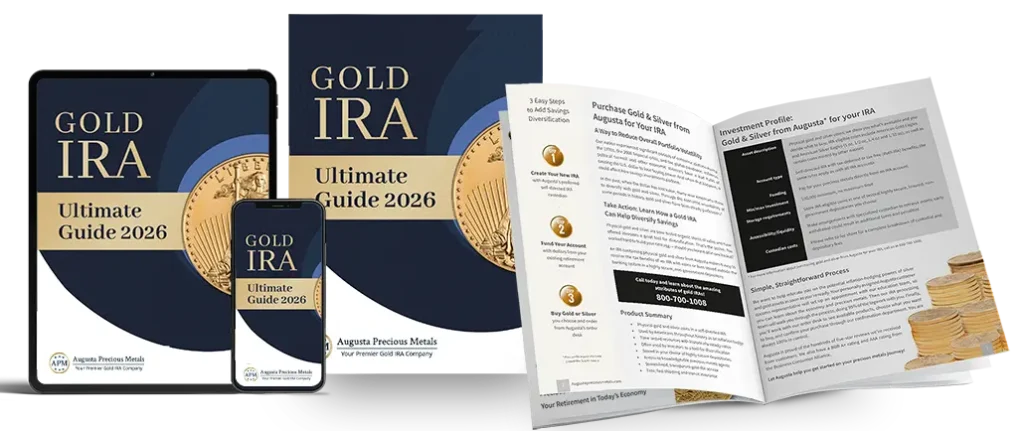
If you’re still researching how Gold and Silver IRAs work, many investors choose to review educational materials that explain storage, custodians, and account structure before making any decisions.
(Educational materials only — no obligation required)